Get Free Quote
-
Tel/Whatsapp +86-13925899945
-
Email: info@showcasecabinet.com








How Much Does a Custom Jewelry Display Case Cost?
Factory-direct pricing for custom jewelry display cases: what a $300 counter, an $8,000 island and a full-store program each buy you — plus freight, duty, sampling and the 30–45 day production calendar.
Table of Contents
- Key Takeaways
- What does a custom jewelry display case cost?
- What drives the price up?
- What does freight and duty add?
- How do you read a factory quote?
- How does MOQ and sampling work?
- How long does production take?
- FAQ
Key Takeaways
- Factory-direct, a single standard counter starts in the low hundreds of dollars. A custom island runs $2,000–8,000, and a full-store program lands in five figures.
- Four things move the price: size, material, lighting and glass spec. Not “premium” branding.
- Sampling costs $100–300 and usually credits against the production order.
- Shipping flat (KD) instead of assembled cuts freight by half or more.
- Standard production runs 30–45 days. Rush orders compress it, for a price.
Most buyers email us one question first: what will it cost? Fair question, and the honest answer is a range, not a number. A jewelry display case is not a shelf product. The same 1.2 m counter can cost $300 or $2,500 depending on how it is built, and the difference is not markup, it is spec.
Here is how we price a case at the factory, so you can read a quote without guessing.
What does a custom jewelry display case cost?
Start with the floor. Factory-direct pricing, before freight — the display case price you will actually pay, not the list number:
- Single straight counter (1.2 m, MDF body, tempered glass, no lighting): low hundreds of dollars, roughly $300–800.
- Add LED lighting: $50–150 per unit, depending on strip density and whether you want a backlit panel or shelf-edge only.
- Custom island or tower: $2,000–8,000. The jump is not the materials, it is the one-off metalwork and glass cutting.
- Full-store fitted program (multiple counters, wall cases, islands): $10,000 and up, quoted per drawing.
These are the numbers behind the custom jewelry display counter we build, where a single counter is specced against a full store. The jewelry display counter range sits near the bottom of that band because it is a flat, standard-glassed unit. When a display case price lands far outside these numbers, it is rarely cheaper or more premium, it is a different spec. Ask what changed: usually glass or lighting, not the wood.
What drives the price up?
Four levers, in the order they hit the quote. Curved glass is one of the biggest cost drivers — it requires custom bending and tempered glass tooling. See our curved display cabinet project (JW-24) for an example of what curved glass looks like and why it costs more.
- Size and shape. A straight 1.2 m counter is nearly a standard product. A curved 3 m island is cut once for you, and curved glass costs more than flat by a wide margin.
- Material. MDF body is the base. Stainless steel frame, solid wood, or a stone top each add. We broke the material trade-off down in MDF vs plywood; most counters are plywood or MDF inside, and the visible material is what you pay for. A stainless steel frame roughly doubles the case line against MDF, a solid hardwood body can triple it, and a stone top is priced by the slab, not the case.
- Glass spec. Standard tempered glass is the default. Low-iron glass, which removes the green tint, costs more but matters for diamonds and white metals. Laminated glass, for security, adds again. The full glass run-down is in our guide to display case types.
- Lighting. A case without lighting is cheaper to build and dimmer to sell from. We set the lighting specs and the cost of getting them wrong in the jewelry display case lighting guide.
Most of the price of a custom case is in the glass and the metal, because those are cut and finished to your drawing. The wood is the cheap part, which surprises buyers who think they are paying for the frame.
What does freight and duty add?
This is where a good quote turns into a bad surprise if you did not ask.
- Freight depends on the cube. An assembled case ships as a big empty box and you pay for the air inside it. Flat-pack (KD) shipping drops the volume by half or more, which is why we default to KD for anything crossing an ocean. International logistics cost and speed vary by route; the World Bank tracks this every year in its Logistics Performance Index.
- Duty depends on the material. Display cases classify under furniture, chapter 94 of the U.S. Harmonized Tariff Schedule, where metal and wood take different subheadings and rates. Check the exact line against the current USITC tariff schedule before you commit to a material.
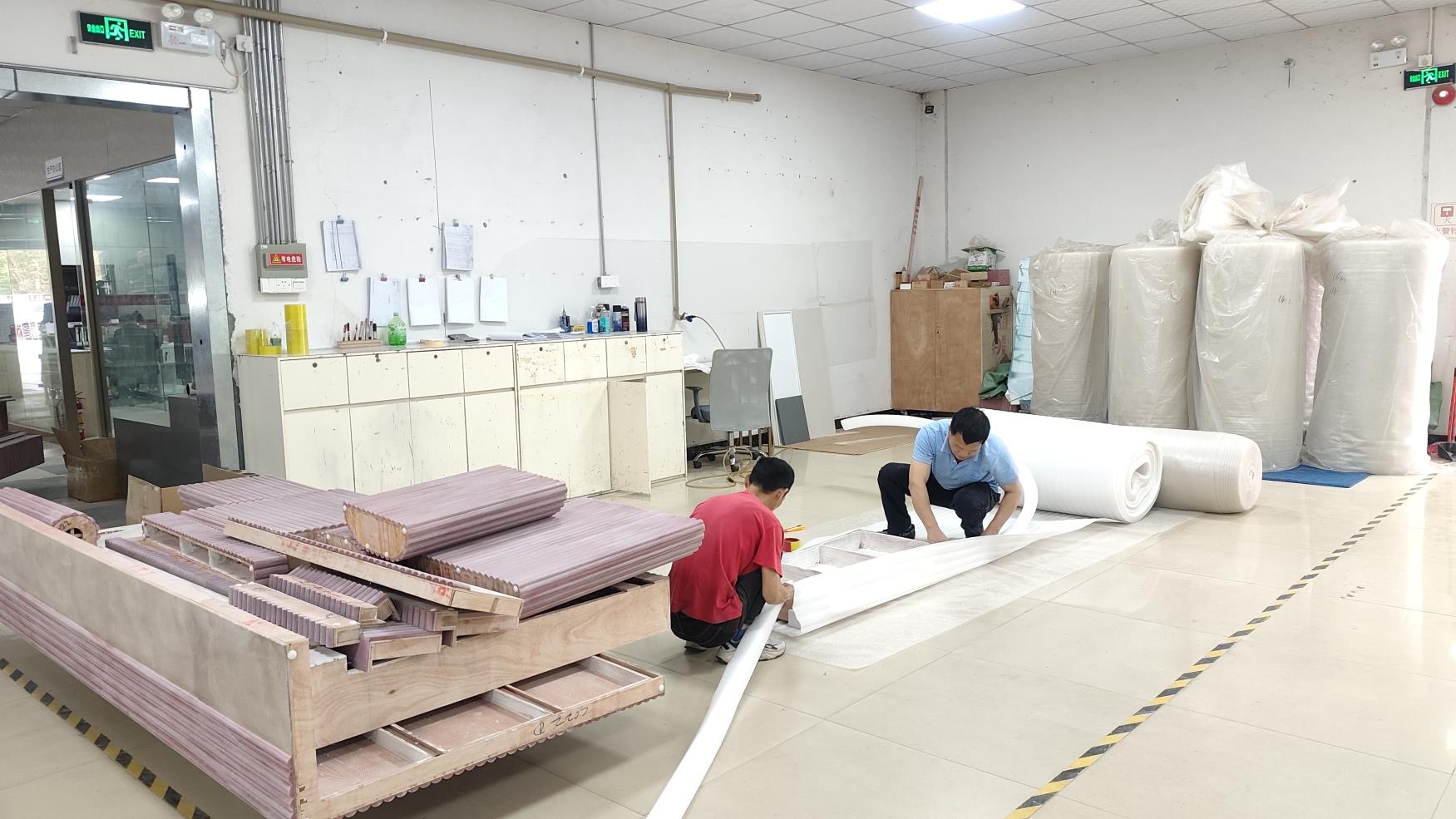
Ask for a freight estimate at the quote stage, not after. A factory quote covers the case; the freight line is separate and moves with oil prices and routing.
How do you read a factory quote?
Quotes are short, and the useful information is in four lines.
- The case line is the unit price. This is the number everyone compares, and the one that means the least on its own.
- The glass and lighting lines are where two quotes that look alike diverge. Low-iron versus tempered, 120 LEDs per meter versus 60. If a competitor is 30% cheaper, this is usually where the difference lives.
- The freight line may be quoted separately or as EXW, FOB or CIF. EXW means you arrange shipping from the factory gate; CIF means the price includes freight and insurance to your port. Know which one you are holding.
- The terms line covers deposit and balance. Typical is 30% deposit to start production, balance before shipment, but it varies by order size.
A quote that does not break these out is a quote you should ask to see broken out. It is not that the factory is hiding something; it is that a single number does not tell you what you are buying.
How does MOQ and sampling work?
Factories use minimum order quantities, but the term hides what actually matters.
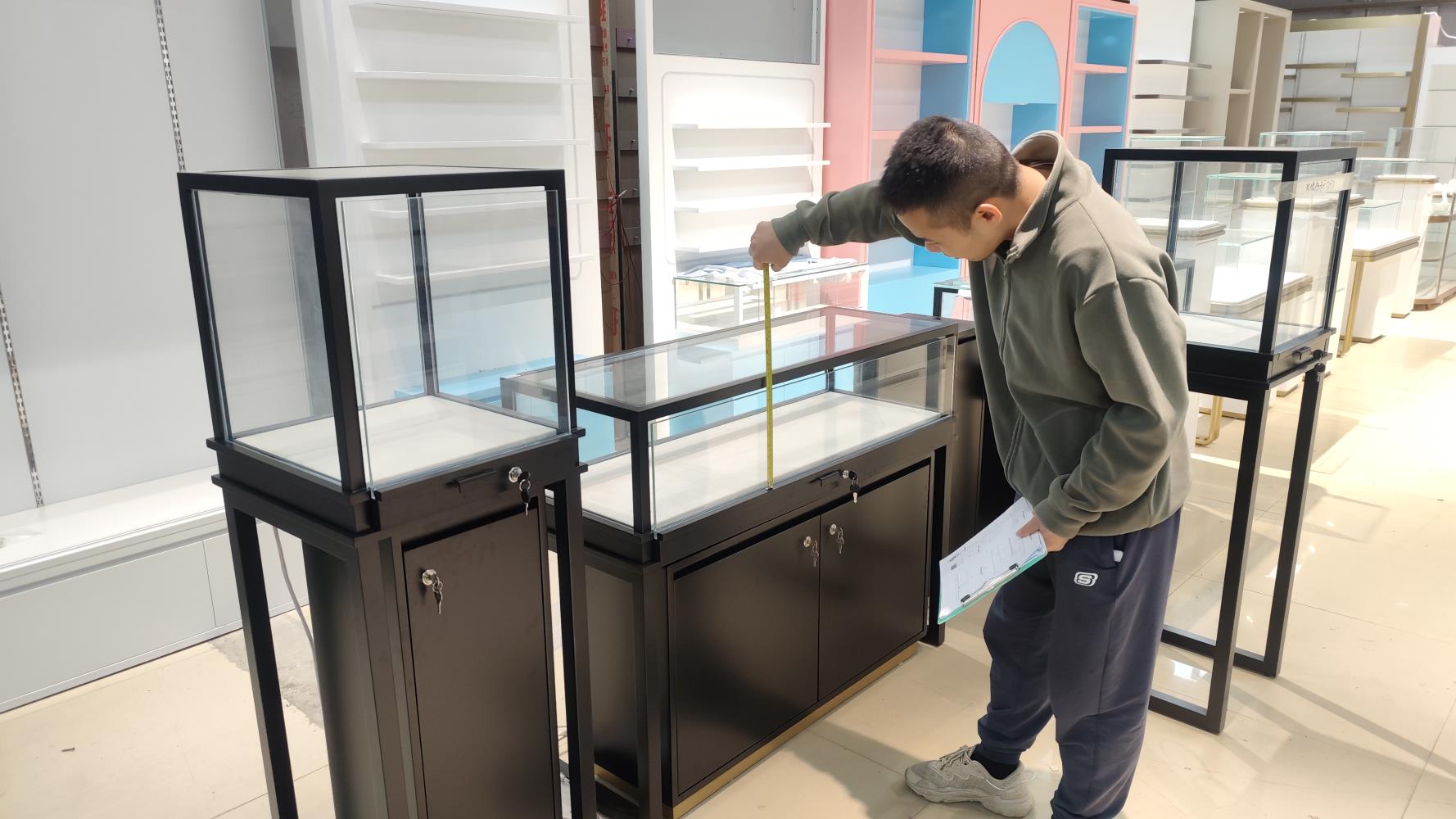
- Sampling first. A sample costs $100–300 depending on spec. It is built to your drawing, and the fee credits against the production order when you proceed. If you cancel, you still own a sample.
- MOQ is usually small for custom. Because each case is built to a drawing, the real MOQ is one unit. The catch is that unit price drops at 5, 10 and 20 units, because setup cost spreads. If your plan is five stores, order one and quote the five.
The sample step is the cheapest insurance you can buy. Most expensive rework starts with a drawing that looked right on paper and wrong in glass.
How long does production take?
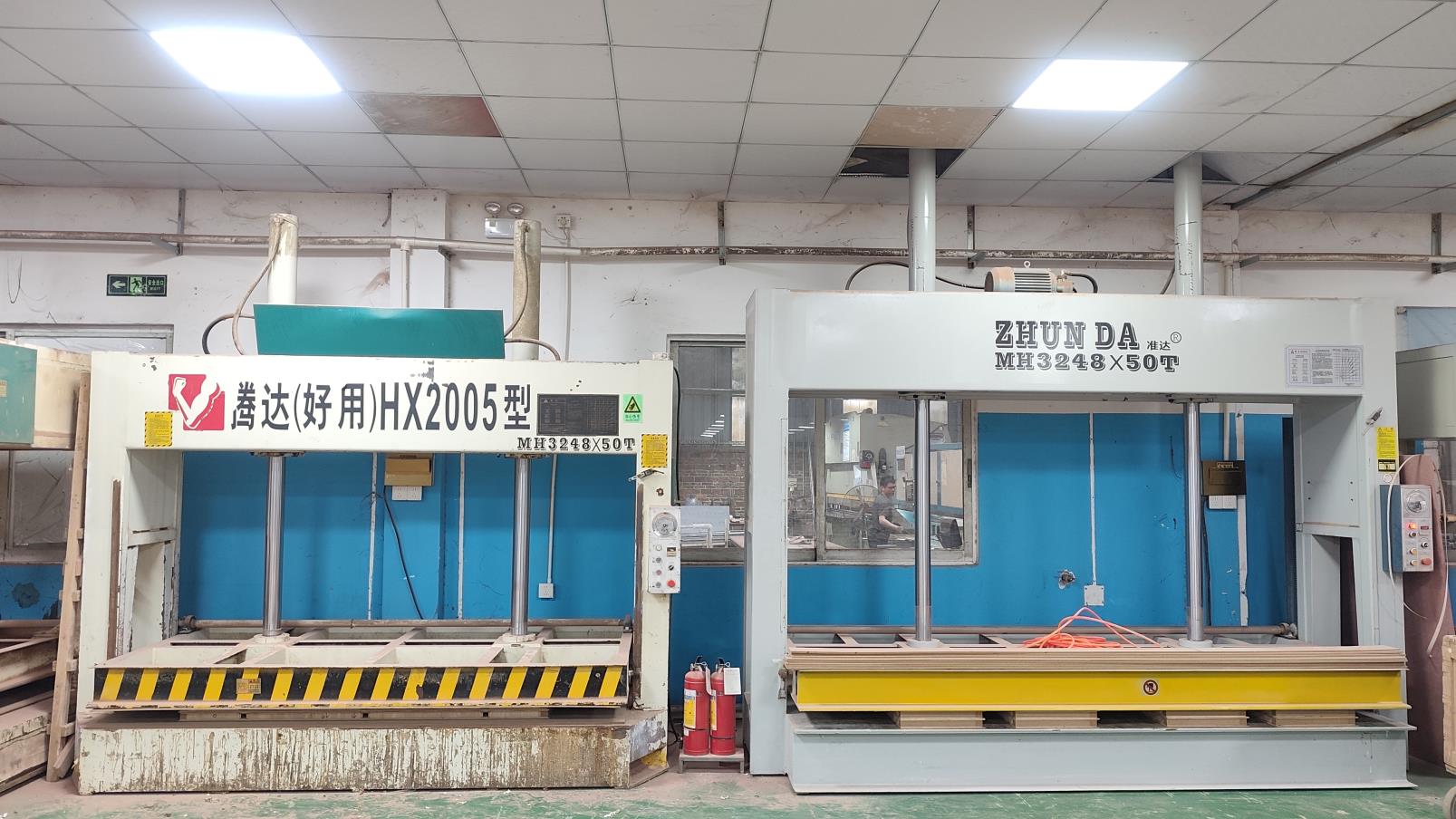
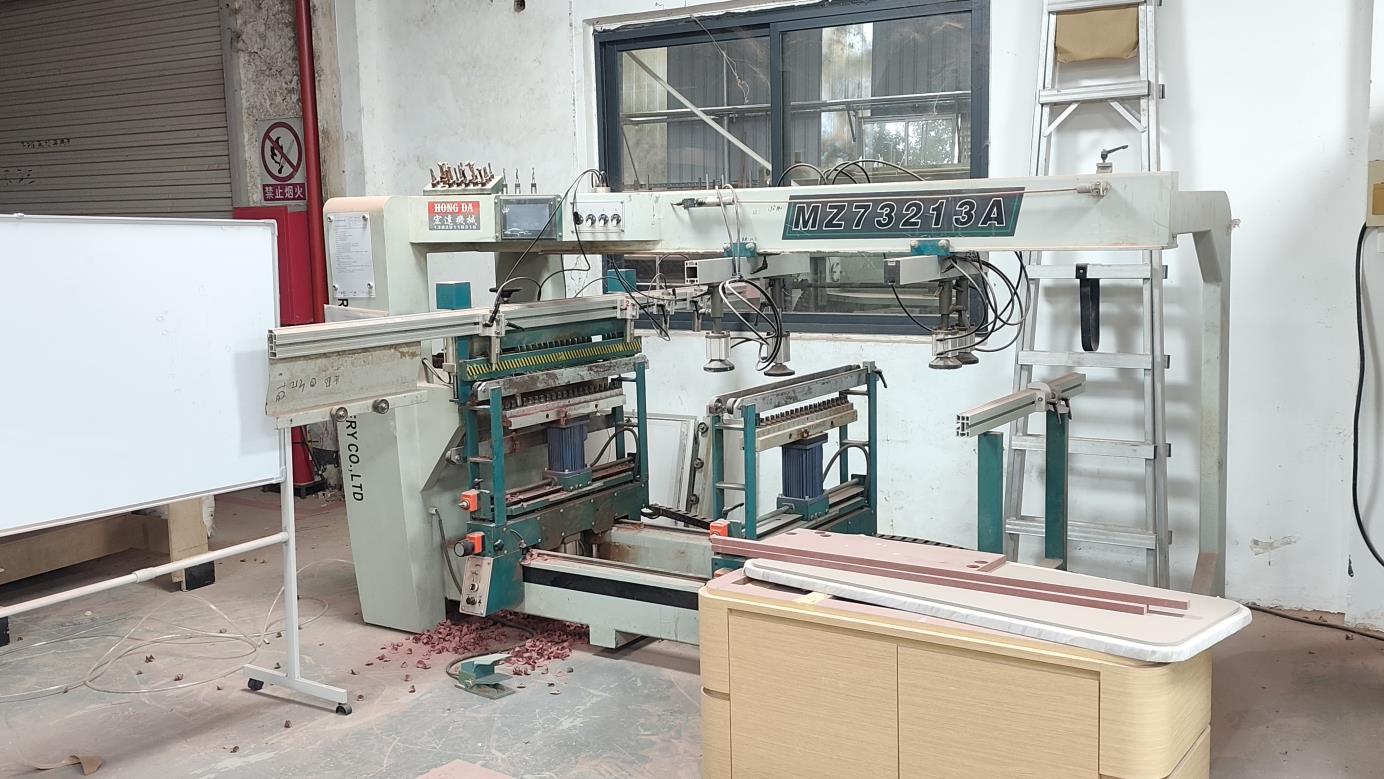
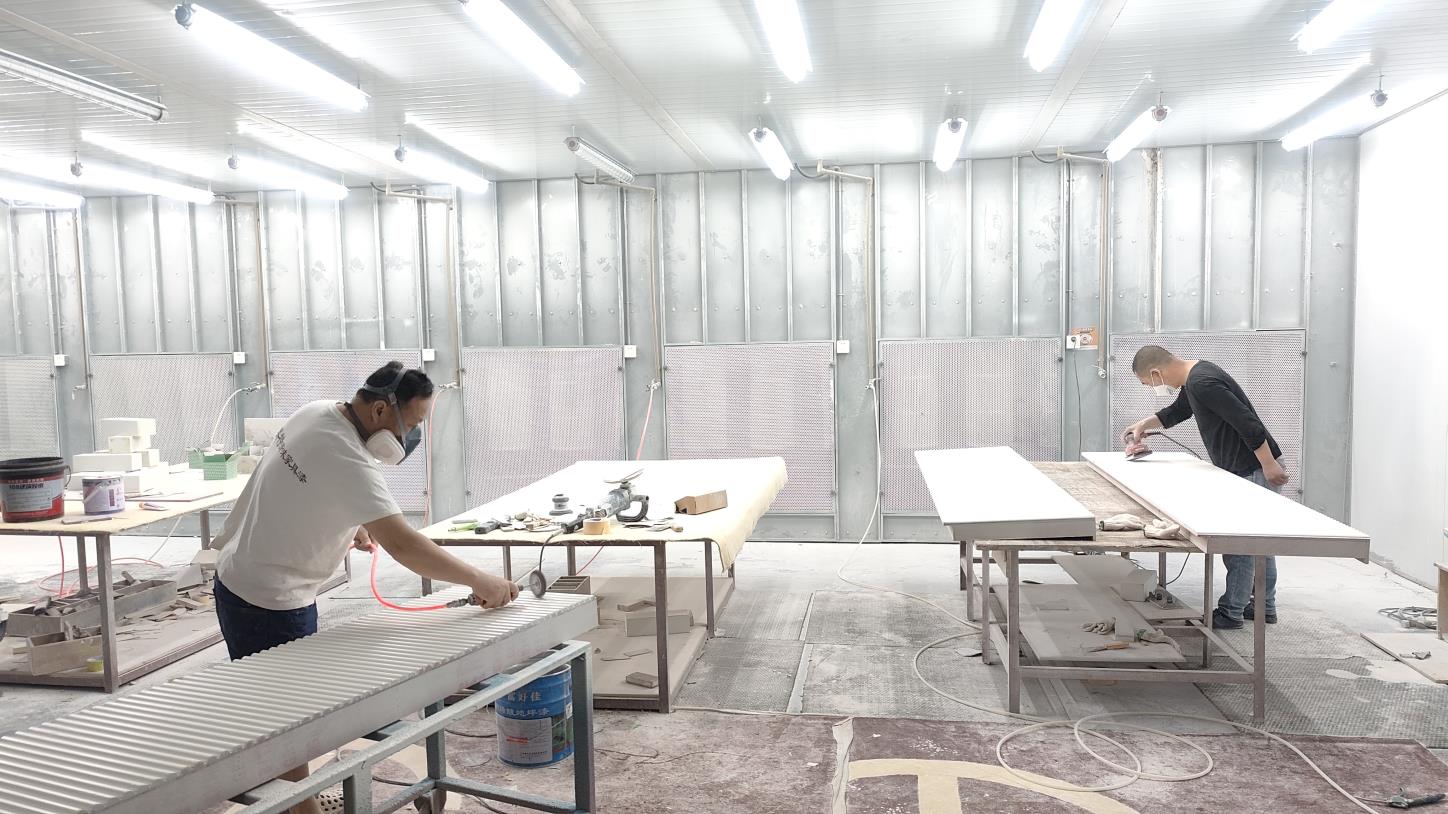
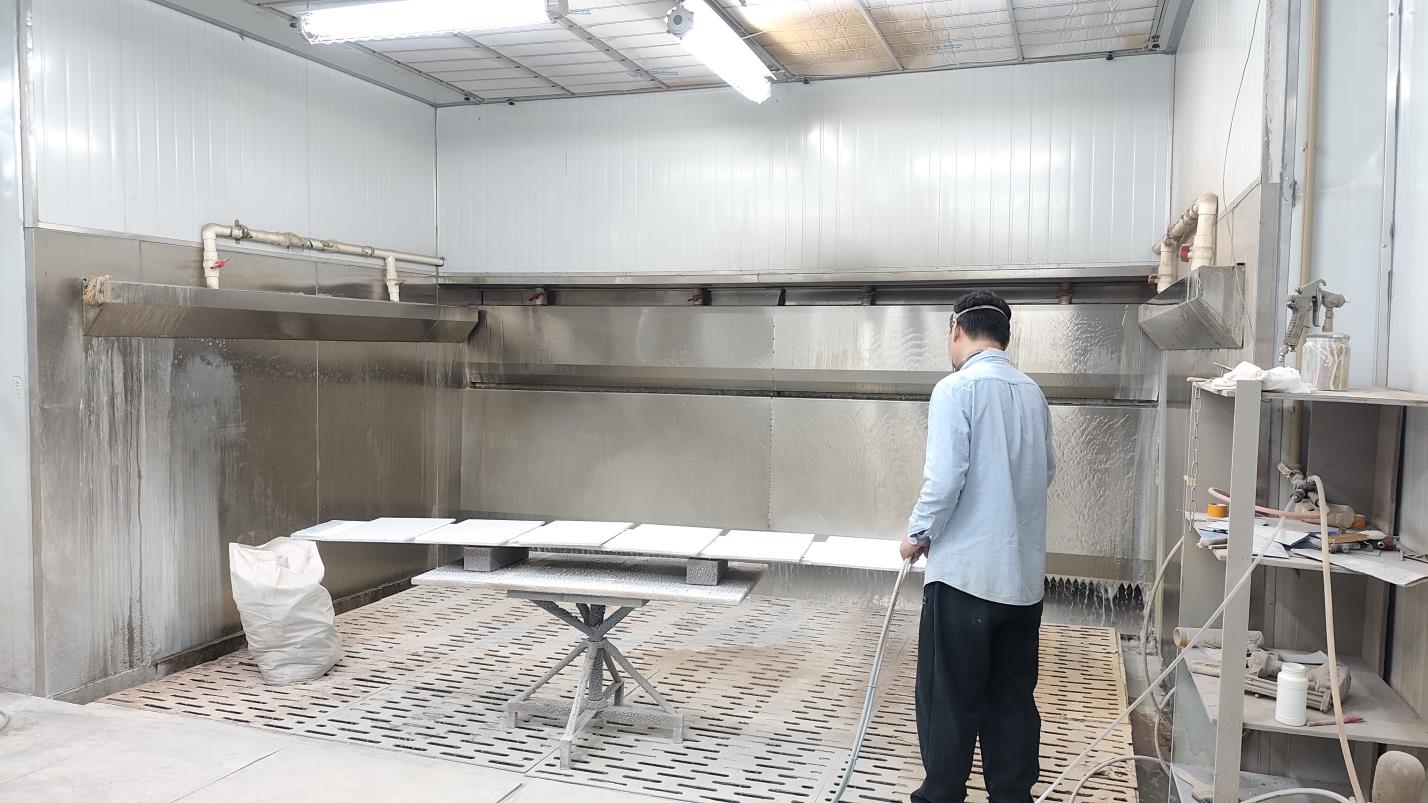
Plan 30–45 days for a standard custom program: a week for drawings and glass cutting, two to three weeks for metalwork and finishing, then assembly, QC and packing. Rush orders compress this to 15–20 days by pulling your job ahead in the queue, which costs a premium.
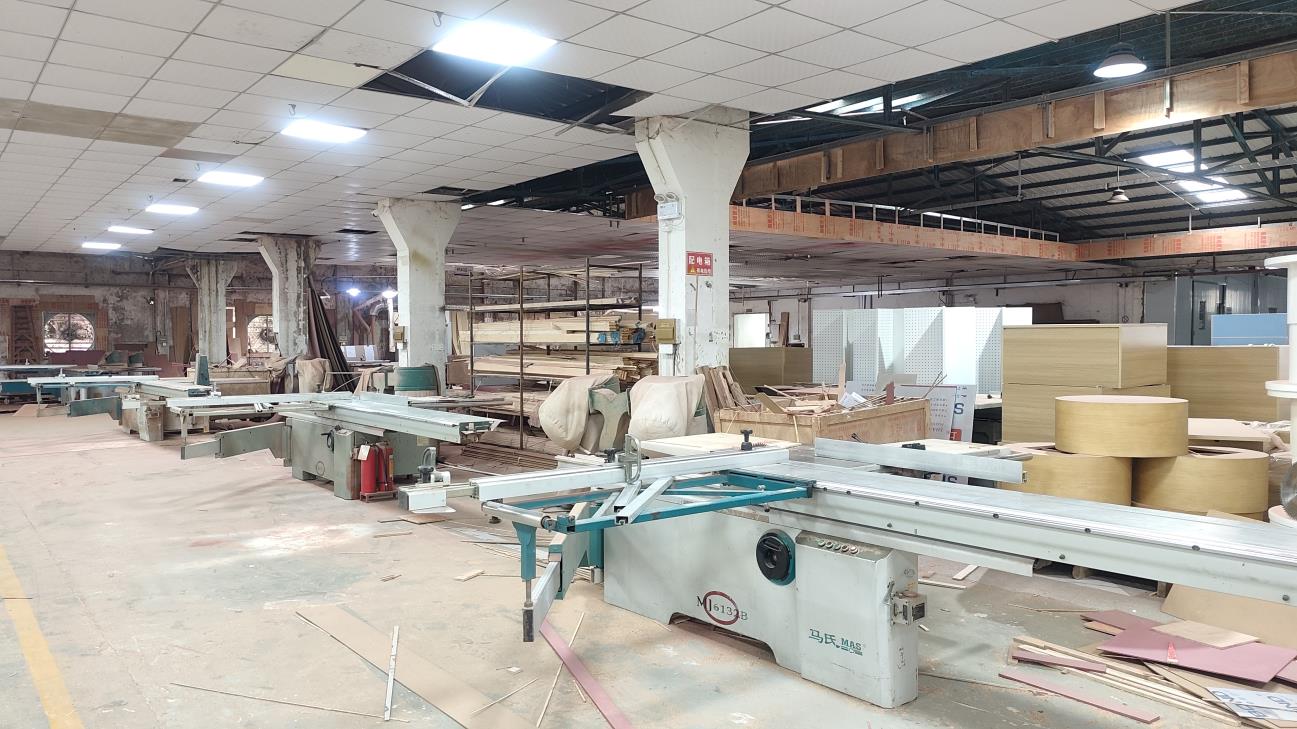
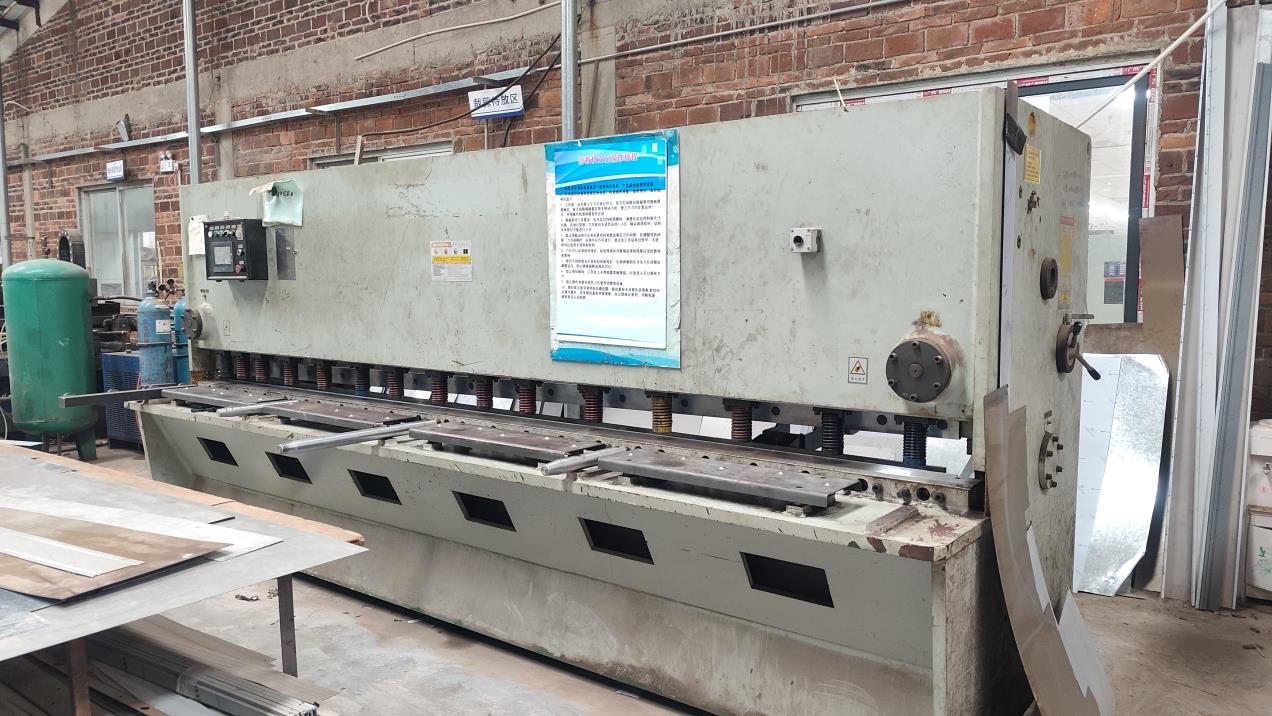
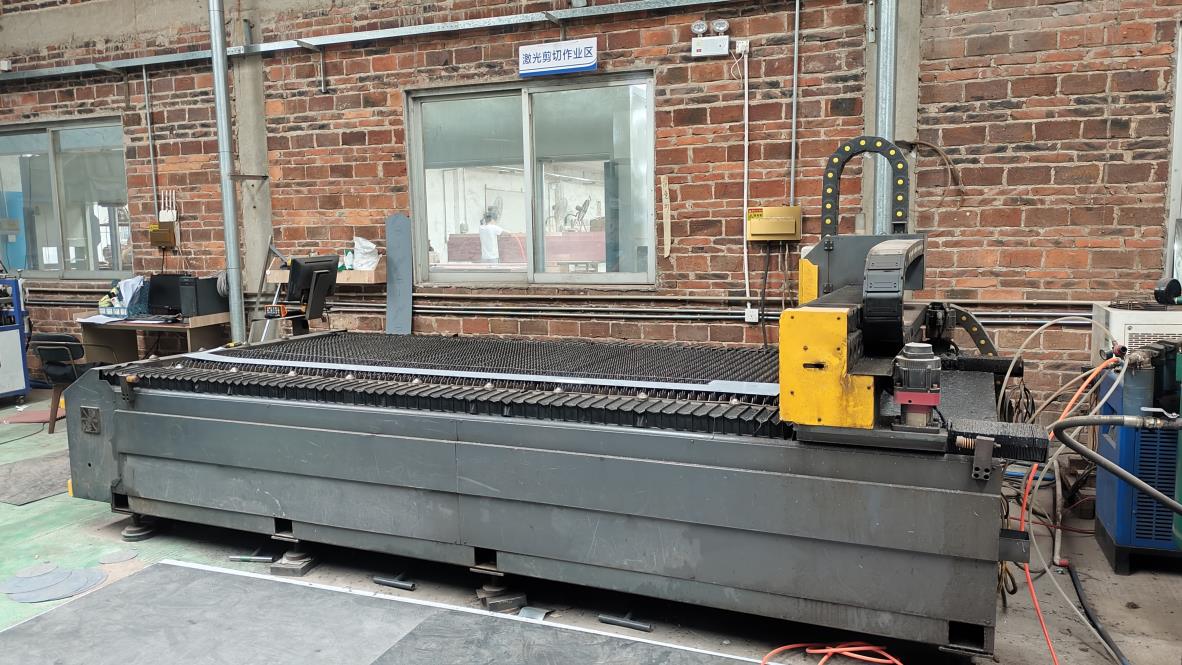
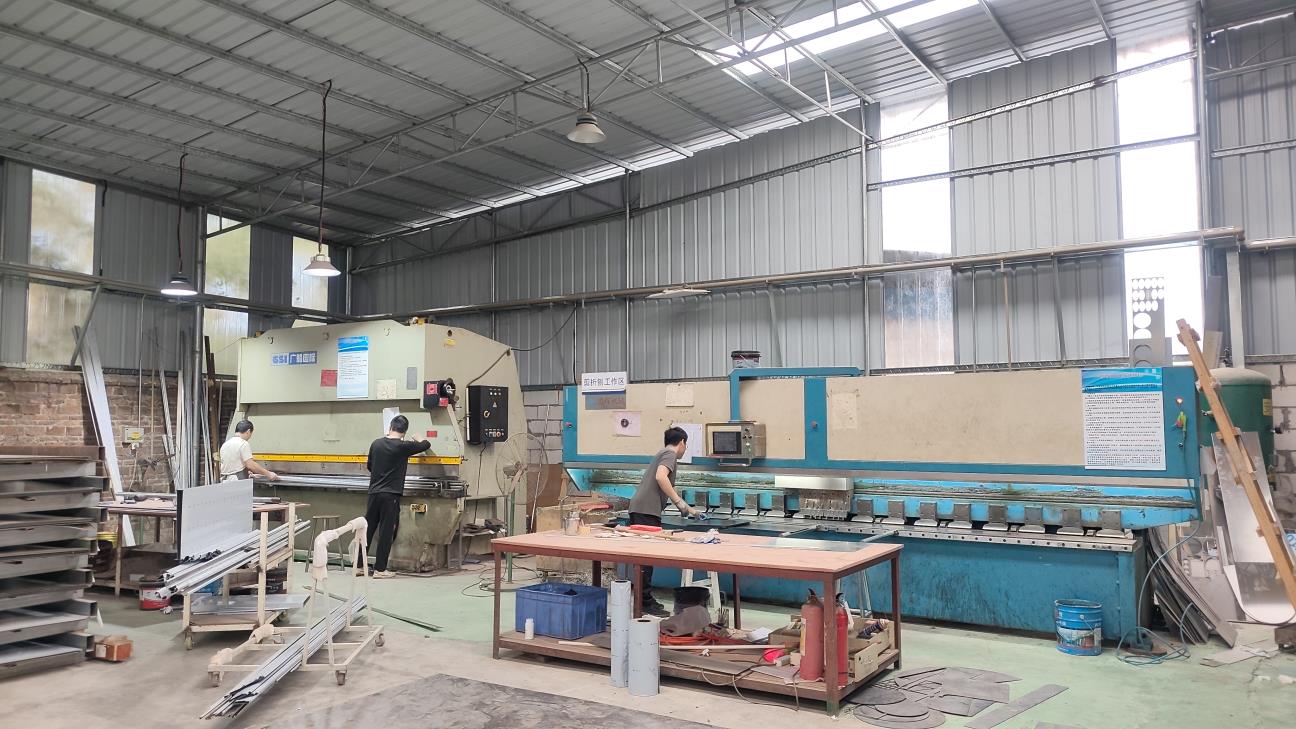
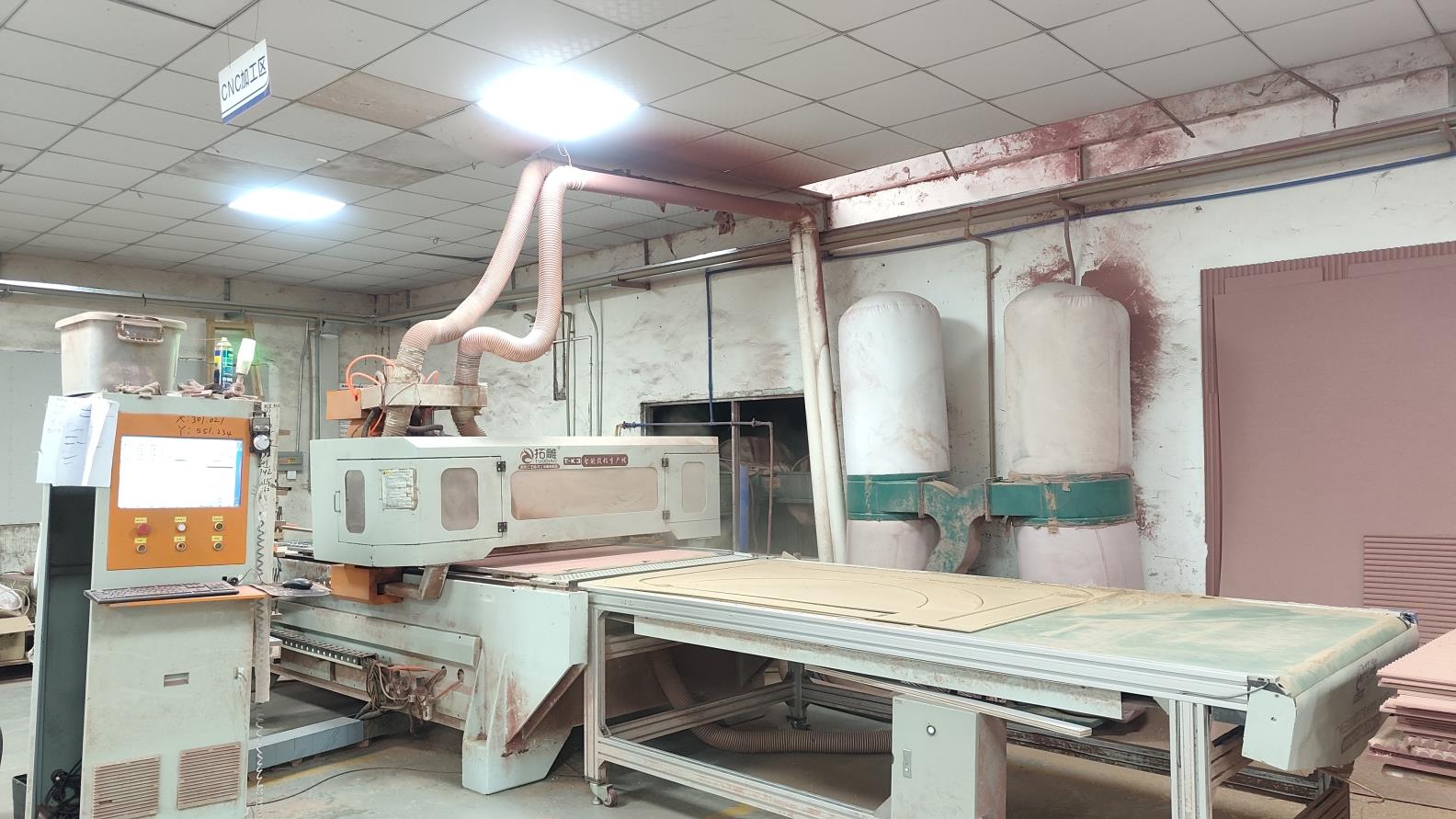
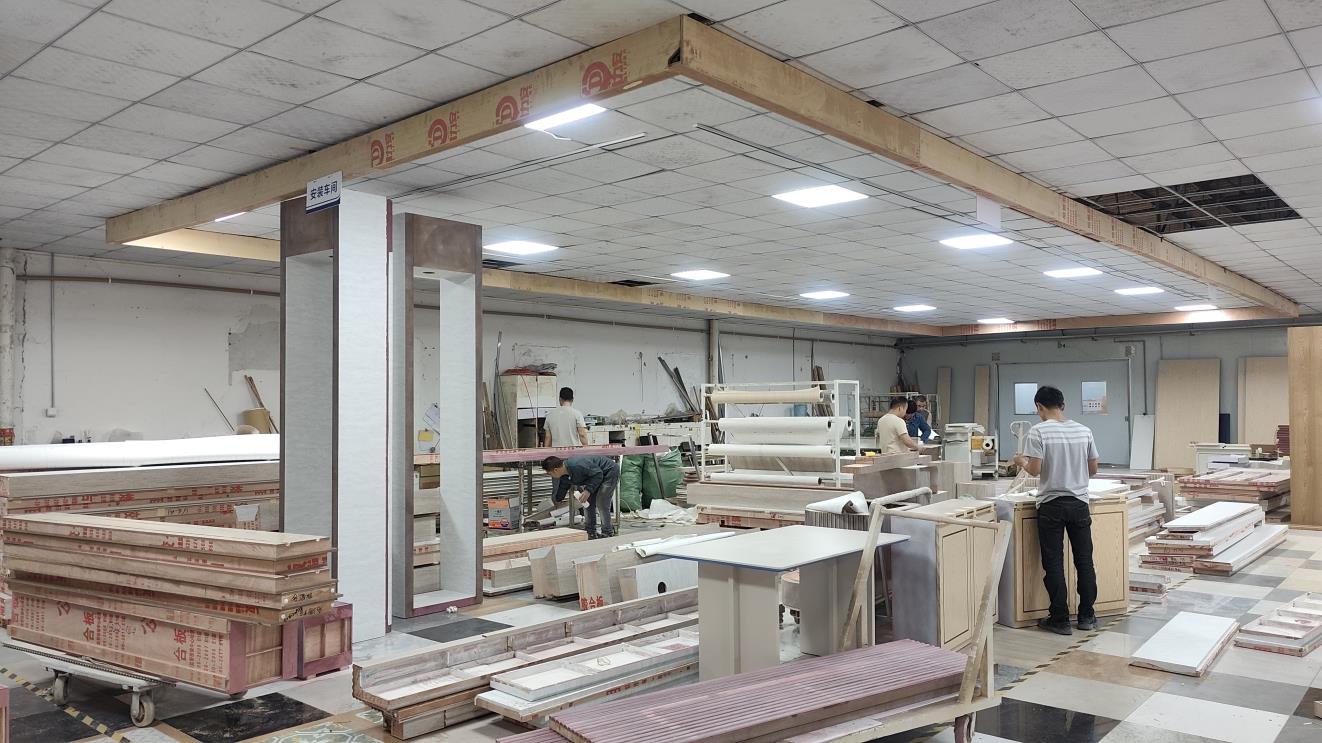
Freight adds to the calendar on top of that. A KD shipment by sea is measured in weeks; air freight cuts it to days and multiplies the cost. If you are working to a store opening, tell us the date on the first call, because the freight mode decision changes the whole build schedule.
FAQ
Why do two quotes for the same case differ so much?
They are rarely for the same case. One is quoting MDF and tempered glass, the other low-iron glass and stainless trim. Read the spec line, not the bottom number, and the gap usually explains itself.
Is a cheap display case worth it?
Depends what carries the load. A static MDF counter with standard glass holds jewelry fine for years. Where cheap cases fail is lighting and locks, the two things customers and insurers notice first. Spend on those, save on the wood.
Can I order one custom case?
Yes. Custom does not require volume, it requires a drawing. The unit price is higher at quantity one, but the setup cost on a single counter is small enough that it rarely makes sense to buy a standard case that does not fit your store.
What should I prepare before asking for a quote?
Three things: dimensions or a floor plan, a material preference even if it is a guess, and a photo of the space. You do not need final decisions. Getting those three on the table saves a week of back-and-forth and gets you a real number instead of a placeholder.
Does the quote include the checkout counter?
No. Checkout counters are a separate line, because they are built for a different job. The display case cost covers the cases; the cash wrap is specced and priced on its own. If you are budgeting a full store, add the checkout separately — the formats are in our checkout counter guide.
Why is factory-direct cheaper?
Because you are removing a link, not because the case is built worse. A distributor marks up to cover warehouse, showroom and margin. Factory-direct, the same drawing goes straight to the floor. The trade-off is you own more of the process: you check the drawings, approve the sample, arrange freight. Some buyers want that control; others want a local showroom to walk into.
Send us the drawing or a floor plan with dimensions, and we return a line-item quote: case, glass, lighting, freight and a production date. The price you get is the price we build to, because the factory is where the number comes from. Samples in 7–10 days, production in 30–45.